Technical Description
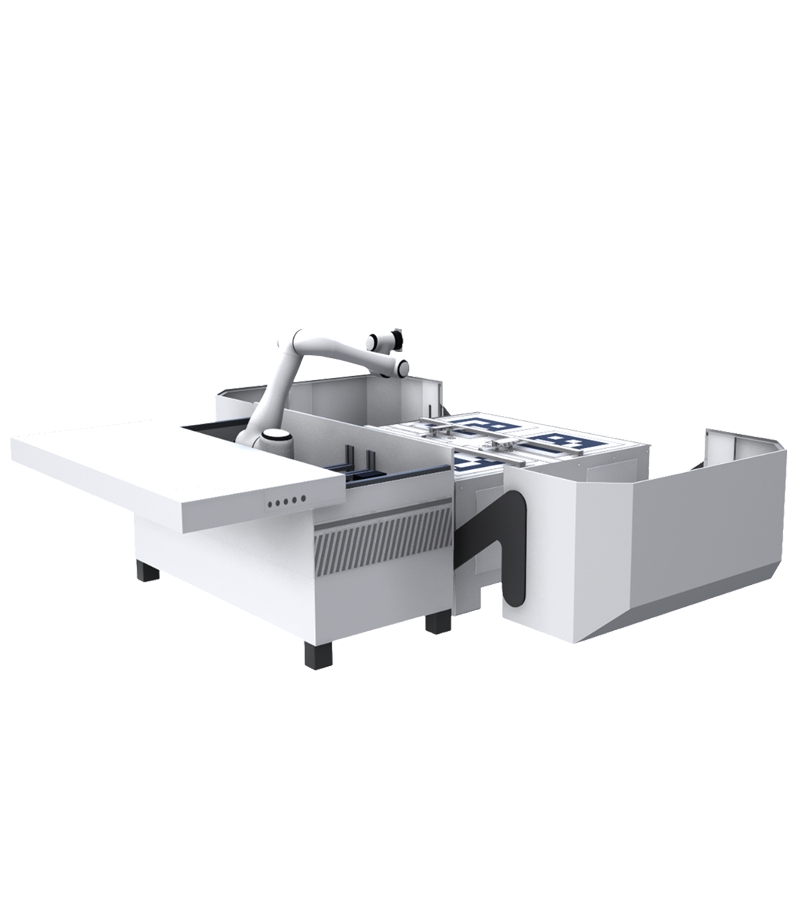
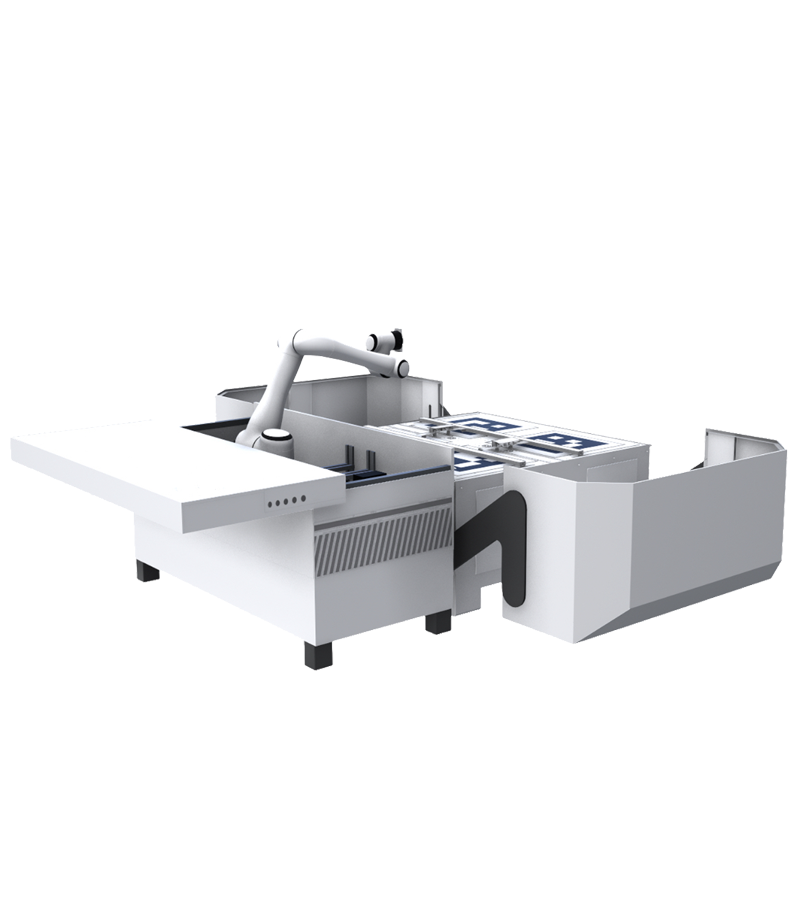
The product achieves high-precision battery swapping via a 6-axis robotic arm, and is equipped with a charging box with 8 battery slots (capable of configuring up to 8 TB30 batteries, i.e., 4 pairs) inside the battery-swapping compartment, enabling short-duration and highly reliable battery replacement. Meanwhile, it supports fully autonomous flight of drones: its autonomous flight algorithm is deeply integrated with application scenarios, and the on-board AI controls all flight parameters of DJI industrial drones, eliminating the need for real-time manual operation and significantly reducing reliance on drone pilots.
In terms of application and deployment, the product boasts distinct advantages. It adopts a modular mounting design, compatible with various devices such as visible light cameras, infrared cameras, LiDAR, and more, making it widely suitable for multiple scenarios including inspection and patrol. It supports on-site deployment of operation sites and remote control; when combined with grid-based deployment, drones can perform "checkerboard-style" operations, land at nearby hangars for automatic charging, and proceed to the next task. Additionally, it enables a "5-minute drone response circle": upon receiving instructions, the drone can take off from the hangar within 2 minutes and reach the designated task site within 3 minutes, meeting emergency needs while effectively freeing up human resources and improving operational efficiency.
Features
● Six-axis robotic arm achieves high-precision battery swapping:
Short battery swapping time, high reliability, the battery swapping station is equipped with a charging box containing 8 battery slots, allowing for a maximum of 8 (4 pairs) TB30 batteries.
● Modular mounting supports multiple application scenarios:
Widely applicable for inspection and patrol scenarios, supporting various task requirements. The replaceable mounting functionality meets the needs of more operational scenarios, with optional mounts including: visible light, infrared, intercom, laser radar, lighting, air monitoring, LED, and inclined photography, among others.
● Fully automatic drone flight reduces pilot dependency:
Freeing manpower and increasing efficiency, the automatic flight algorithm is deeply integrated with the application scenarios, enabling onboard AI to control the flight parameters of DJI industrial-grade drones without the need for real-time manual operation, allowing for fully automatic flight operations.
● Field deployment for remote operations without leaving home:
Automatically deploy the drone in a remote task area, achieving precise automatic landing, retrieval, parking, battery charging, and management. The control system enables one-click remote flight, and users can remotely control the drone's flight direction, attitude, altitude, shooting angle, and camera focal length through a mouse-selected interface.
● Grid-based deployment:
Users can achieve comprehensive coverage of the management area through grid-based deployment of hangars, allowing drones to perform grid-based jumping operations, selecting nearby hangars for automatic landing and charging, and continuing to the next task.
● Quick response:
Creating a five-minute attendance circle for drones, which can take off from the hangar within two minutes upon receiving a command, and arrive at the designated task site within three minutes, meeting emergency requirements.








.png)
.png)